

DISCLAIMER: I am not encouraging any illegal activity. Just sharing some observations.
Over the last few years, just about every musician I know has been spellbound by a series of illicitly leaked recordings. These files, sometimes lumped under the name “Multitrack Masters,” feature dozens of classic rock recordings, broken out into individual tracks. You hear isolated Beatles vocals, Queen guitar stems, Bob Marley rhythm tracks, Stevie Wonder keyboards, and much, much more.I don’t know how they came to be leaked in this form, though I’m guessing one or more sneaky remixers did the deed.
These recordings offer astonishing insights into how some of the 20th century’s greatest musical minds worked their magic. They provide valuable lessons that you can learn and apply to your own work today. They inspire endless discussion about the ways music performance and production have changed over the last few decades, and which of those changes are for the best.
And of course, it’s 100% illegal to have anything to do with these materials.
Before launching into a debate about whether that’s the way it should be, I want to draw a comparison to the classical music world. Classical musicologists pore over the manuscript scores of the great composers, dissecting every scritch and scratch in a centuries-long attempt to understand how their music came to be.
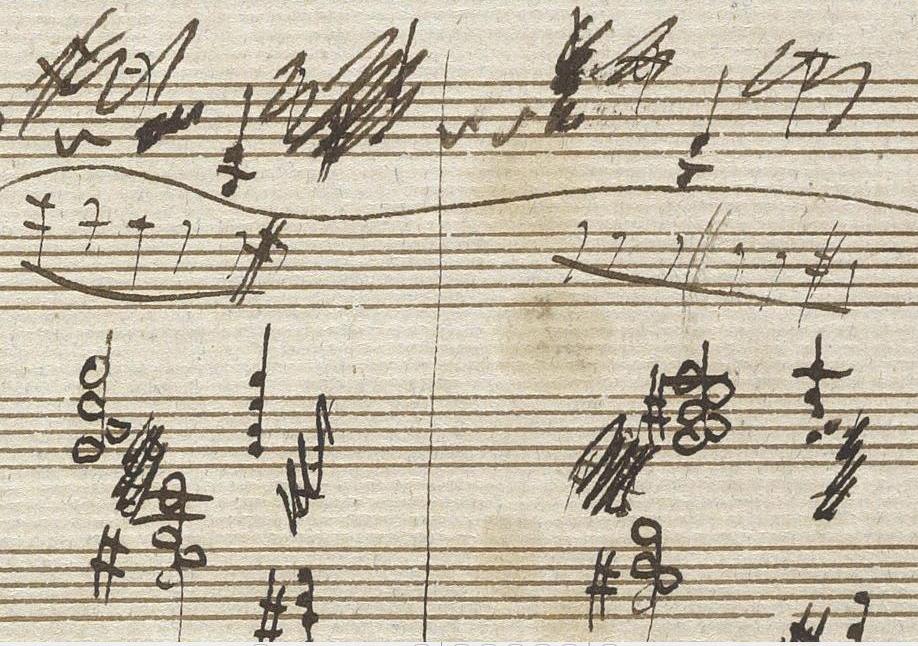
It’s not just a musical pursuit, but a psychological one. You don’t need to read a note of music to realize that Beethoven bled over every note he committed to paper:
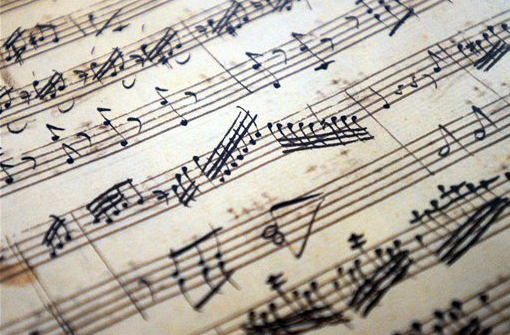
On the other hand, Mozart had it all worked out in his head. He just had to slow down long enough to actually write things down.
The point is, studying the creative process this way means scrutinizing things the composers never intended you to see. Beethoven might not have wanted us to observe his desperate scrawls, but viewing them today reveals so much about the man and his music. This, I’d argue, is a good thing.
The Multitrack Masters files deliver similar insights. Some things I’ve learned:
• Jimi Hendrix sometimes recorded guitar overdubs consisting of short, isolated stabs and ornaments. Some of those impossible-to-transcribe tracks suddenly became clearer.
• Some Beatles guitar tracks are blisteringly bright. Players would get canned from their bands if they tried to play that way today.
• Those awesome bass tones on late Bob Marley records aren’t so much about jacking up the lows on Aston Barrett’s J-Bass as surgically removing all the lows from some of the drums.
• The randomly timed delay effects on Stevie Wonder’s clavinet makes me think guitarists worry way too much about tempo-synched delay and modulation effects. Sometimes random is just funkier.
• I’m more convinced than ever that Keith did not play the solo on “Sympathy for the Devil.”
That’s just a few off the top of my head. The biggest takeaway of all, however, is how nowadays we devote so much attention to individual tracks that we forget to listen to everything in context. All these great songs are littered with sketchy intonation, loose rhythm, and general chaos. Soloed, some of the background vocals on Sgt. Pepper are screamingly out of tune. The bass, percussion, drums, and guitar on “Gimme Shelter” aren’t remotely locked in with each other. But have you ever wished those records were subjected to Auto-Tune or Beat Detective? Me neither.
Studying artifacts like these deepens our understanding and appreciation of the music and the people who created it. They can help make us better musicians. They’re our history. They’re our culture. They’re our consciousness.
And they’re illegal.
Some might argue that we have no right to witness things the artists never intended to share. I’m sympathetic to that argument—to a point. But how many years do we have to wait after Hemingway’s death to study his first drafts? After how many decades can we peek into Picasso’s sketchbook? How long does music belong to the musician (or more accurately, the multinational corporation that owns the musician’s record label and publishing house) before it belongs to the world?
Just asking.


Leave a Reply